

Adult AuDHD Assessments in Barnsley
(Combined Autism and ADHD Assessment)

What the Assessment Involves
Step 1: Screening Consultation
We begin with a 45-minute consultation to explore your experiences, concerns, and what you are hoping to understand. This is also an opportunity for you to ask questions and decide whether this assessment feels right for you.
Step 2: Before the Assessment
You will complete detailed reflective questionnaires about your development, current experiences, mental health, and daily life. These forms take time and thought — they are not quick checklists. You are welcome to complete them across several sittings, and if written forms are difficult, we can find another way.
Where possible, and with your agreement, someone who knows you well may be asked to contribute developmental information. This is not because your own account is insufficient — it is because early developmental detail is something most of us simply do not remember clearly. Your account remains central throughout.
Step 3: Assessment Sessions
Assessment takes place in person. Sessions explore your life history, development, attention and executive functioning, communication patterns, sensory experiences, social interaction, routines and flexibility, emotional regulation, masking, burnout, and daily functioning.
For the autism component, the assessment includes the DISCO — a comprehensive developmental assessment — and will also incorporate an ADOS, completed with an Occupational Therapist colleague with sensory specialism. The ADHD component uses the DIVA alongside clinical interview and, where appropriate, a computer-based attention task.
Sessions are paced to suit you. Breaks are always available. You do not need to perform, rush, or present in any particular way. The aim is to understand how your mind actually works — not how you appear under pressure.
Step 4: Feedback Session
We meet to go through the findings together in plain, accessible language. Findings are discussed as a profile — not a verdict. This includes both conditions where present, how they interact, what that means for your daily life, and what support or adjustments might genuinely help.
You will have space to ask questions, reflect, and push back on anything that does not feel accurate.
Step 5: The Report
You will receive a comprehensive written report. You will see a draft first and can request changes before it is finalised.
The report is written in neuro-affirmative language. It will describe your profile — including strengths, coping strategies, and the interaction between your profiles — not simply list deficits against diagnostic criteria. Optional summary letters for your GP, employer, or other services are available on request.
This Assessment Is Not a Quick Assessment
If you are looking for a rapid yes or no, this is likely not the right fit.
A combined AuDHD assessment takes time because the clinical picture requires it. Understanding how autism and ADHD interact in a specific person, across a whole life, while accounting for masking, burnout, mental health, environment, and the considerable diversity within both profiles, is not something that can be done well in a short session or through questionnaires alone.
The assessment is a thorough, collaborative, and respectful process — one that many people experience as meaningful and clarifying in its own right, quite apart from the diagnostic outcome.
AuDHD Assessment: Combined Autism and ADHD
A Neuro-affirmative, Therapeutic Assessment for Adults with Co-occurring Autism and ADHD
AuDHD — the co-occurrence of autism and ADHD — is not simply having two conditions side by side. It is a distinct neurological profile in which the two interact, amplify one another, and sometimes partially mask each other in ways that can make life feel particularly complex and difficult to make sense of.
Many AuDHD adults have spent years being assessed for one condition without the other being recognised. Some have received an ADHD diagnosis that felt incomplete. Others have had autism identified while their ADHD was overlooked. Many have had neither — carrying a lifetime of confusion, burnout, misdiagnosis, or the exhausting sense of not quite fitting any available explanation.
If that feels familiar, a specialist combined assessment may be the right step.
Why AuDHD Requires Its Own Assessment Approach
A good AuDHD assessment is not two assessments bolted together.
Autism and ADHD interact in ways that require a clinician to hold both profiles in mind simultaneously throughout the assessment process — not sequentially, as though they are separate questions with separate answers.
Some examples of how this matters clinically:
ADHD can make autistic traits appear more chaotic and less systematic than they often are. Autistic regulation needs can dampen or suppress externally visible ADHD presentations. The demand for sensory and social masking, common in autism, significantly increases the cognitive load of ADHD. And the dysregulation that is characteristic of both conditions can interact in ways that produce burnout, emotional overwhelm, or shutdowns that are difficult to understand without knowing both are present.
Assessing each condition in isolation risks missing this. A specialist combined assessment holds the interaction between the two profiles as a central clinical question — not an afterthought.
Assessment Conclusions
Not every assessment concludes with a dual diagnosis.
Sometimes the picture is complex. Significant traits of both autism and ADHD may be present without one or both meeting full diagnostic threshold. Mental health difficulties, trauma, or other neurodevelopmental factors may interact with or partly account for the presentation. The interaction between profiles may produce a clinical picture that is genuinely difficult to categorise cleanly.
None of these outcomes means the difficulties are not real, or that the assessment has been unhelpful.
Whatever the diagnostic outcome, the assessment will offer a formulation — a coherent, clinically grounded account of how your mind works, what has made certain things hard, and what conditions are likely to support you. For many people, that formulation is as meaningful as the diagnosis itself.
Who This Assessment May Be Right For
You may be considering a combined AuDHD assessment if:
You identify with both profiles and want clinical clarity
You have been told you are "too autistic" for ADHD, or "too ADHD" for autism — presentations that in reality frequently co-occur
You have experienced significant masking, burnout, or emotional exhaustion that has been difficult to explain
You have a history of anxiety, depression, or trauma that may be intertwined with unrecognised neurodevelopmental differences
You simply want to understand how your mind works more clearly
In-Person and Location Options
Assessment must include in-person components. Face-to-face interaction supports more thorough observation and a deeper clinical understanding.
I offer clinic appointments at my practice in Barnsley and home visits within Barnsley and surrounding areas. The ADOS appointment may be conducted online or face-to-face in York with an Occupational Therapist depending on individual needs and circumstances.
Clinic address: Barnsley Business and Innovation Centre, Innovation Way, Wilthorpe, Barnsley, S75 1JL
Pricing and Logistics
Fee: £2800 Insurance: Bupa Global accepted — invoices submitted directly (subject to authorisation)
Private pay: Bank transfer Timeline: The full assessment ordinarily unfolds over 4 to 8 weeks weeks, including screening, assessment sessions, feedback, and report writing
Understanding your AuDHD profile
To give you a sense of how we think about AuDHD regulation and strengths, you are welcome to explore these resources from the Neurodivergent Library:
Understanding AuDHD Strengths, Stress and Regulation and Growth — for adults, teens and partners, which acknowledges the interaction of the two regulatory systems and in current regulatory theory and are informed by current research on AuDHD regulation and lived clinical experience.
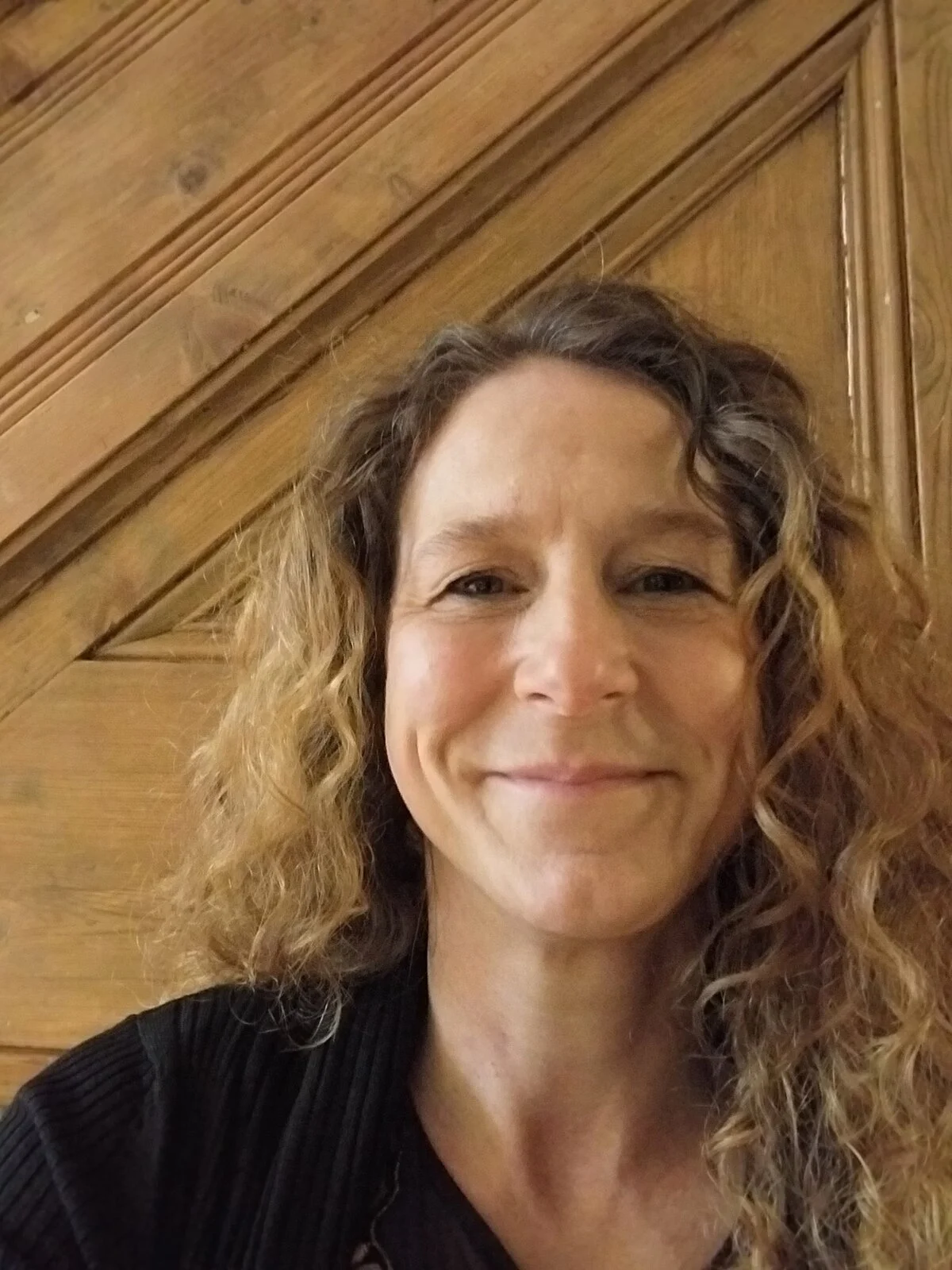
Hi, I’m Dr Silke Newman
I am Silke, a Clinical Psychologist based in Barnsley, South Yorkshire, with over 26 years of experience and have specialised in autism and learning disabilities.
Having earned my Doctorate in Clinical Psychology from Leeds University in 2003, I’m registered with the HCPC and BPS, and trained in DISCO and ADHD assessments. I combine science-backed approaches with a deep respect for individual expertise, taking time to listen and adapt to your unique needs. I offer in-clinic, online, and home visit services, ensuring flexible and personalised care.
Multi-disciplinary Autism Assessment
£2360 Gold standard face-to-face autism assessment in line with NICE guidelines
Please note: You will receive a £90 discount when booking a full diagnostic assessment.
Funding via Health Insurance
You can access therapy, coaching and assessment via your health insurance if you have bought a plan. I accept Bupa Health insurance plans. I am one of the Bupa recognized providers.
I will send all my invoices directly to your health insurance company. You need to confirm that they have agreed your treatment and send me your membership number and authorization code.
Paying Privately
You can pay for sessions privately via a bank transfer.