

Single Clinician Autism Assessment

Suitability for a Single Clinician Autism Assessment
A Single Clinician Assessment
These are autism assessments completed by a Consultant Clinical Psychologist. Please note that this is only available for non-complex presentations, and suitability for this option will be assessed as part of your ADHD/Autism screening appointment. For more complex presentations, this option may not be appropriate, and instead a multi-disciplinary assessment conducted with more than one clinician (a Clinical Psychologist and Occupational Therapist) may be recommended.
What to expect for an Autism Assessment
A Therapeutic, Neuro-affirmative Assessment
The autism assessments offered are not quick screens or checklist audits. They’re therapeutic diagnostic explorations—deep, respectful processes meant to help you understand your mind, your patterns, and what supports might truly resonate.
If you're seeking a fast “yes/no” result, this is likely not the right fit. My approach is reflective, paced, and centred on your lived experience.
What to Expect
Step 1: Before We Begin
A 45-minute Autism screening consultation to talk about your concerns, history, and what you hope to gain
A developmental questionnaire (about 3 hours), which you complete, ideally supplemented by information from someone you trust (with your consent)
Screening conversations around mental health and relational context
Step 2: Assessment Session
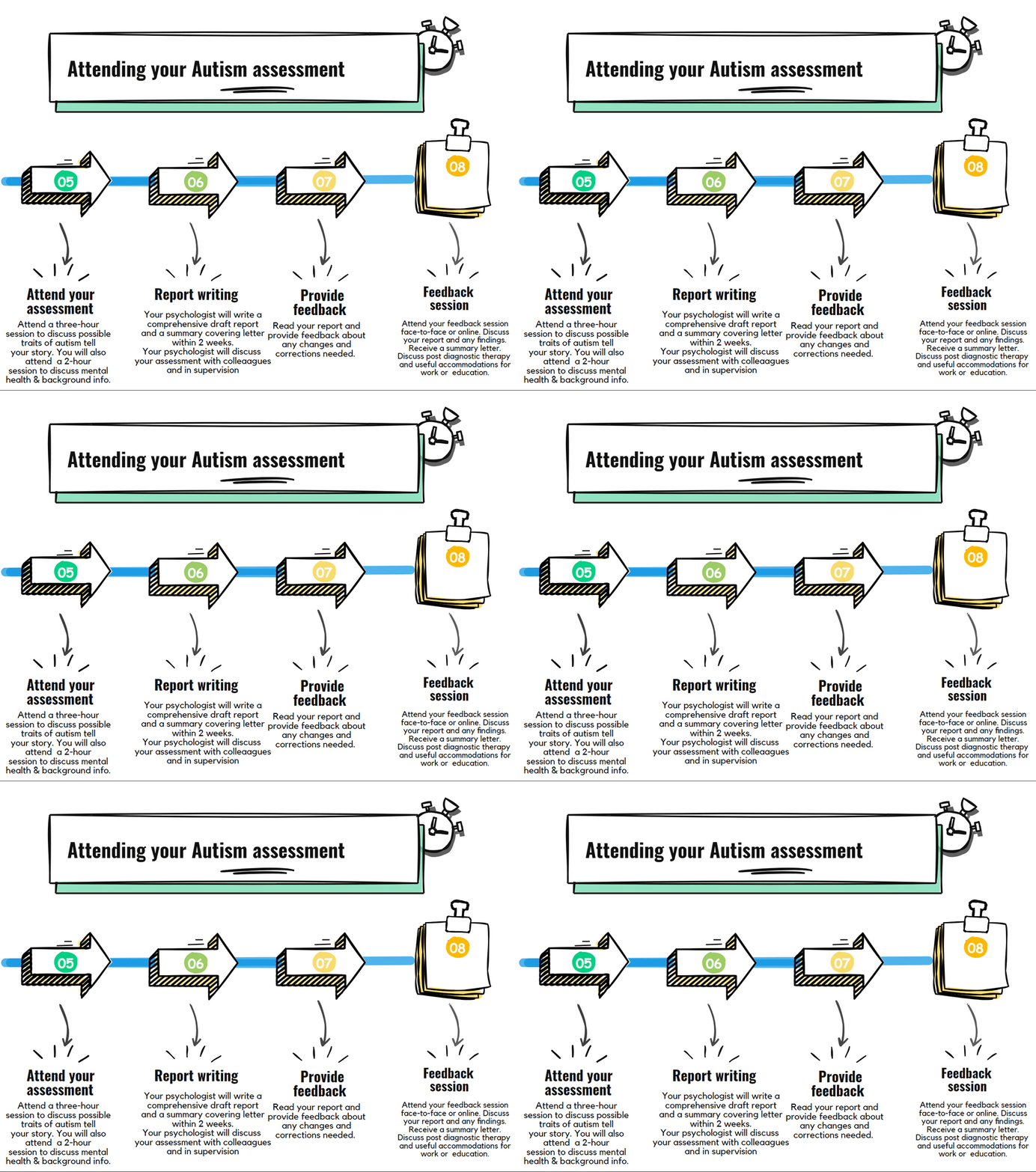
An extended in-person session (usually 6 hours), exploring your life, communication, sensory patterns, relationships, routines, and how autistic traits show up in your daily experience
We work at a pace that respects your energy, with breaks as needed
Step 3: Outcome & Feedback
A feedback meeting to go through results together
You’ll receive a written report in clear, accessible language
I can prepare summary letters as needed (for GP, employer, education)
Together we’ll look at what the insights mean for you, look at useful accommodations, therapeutic needs and plan possible next steps
In-Person & Location Options
Assessment must include in-person components, because face-to-face interaction allows better observation and understanding. I offer:
Clinic appointments at my practice in Barnsley or,
Home visits (within Barnsley & surrounding areas),
Pricing & Logistics
Fee: £1,560 (aligned with NICE standards)
Insurance: I accept Bupa and submit invoices directly to insurers (subject to authorisation)
Private pay: Bank transfer
Timeline: The full assessment ordinarily unfolds over 4 - 5 weeks, including screening, assessment sessions, feedback, and report writing
Result delivery: You’ll get a draft report first and can request changes before finalisation

Autism Assessment in Barnsley
Autism assessments must be done in-person. Choose either:
Home visit if you live in the Barnsley or surrounding area.
Meet face-to-face at my clinic in Barnsley
My clinic address
Barnsley Business and Innovation Centre
Innovation Way
Wilthorpe
Barnsley
S75 1JL
About Me
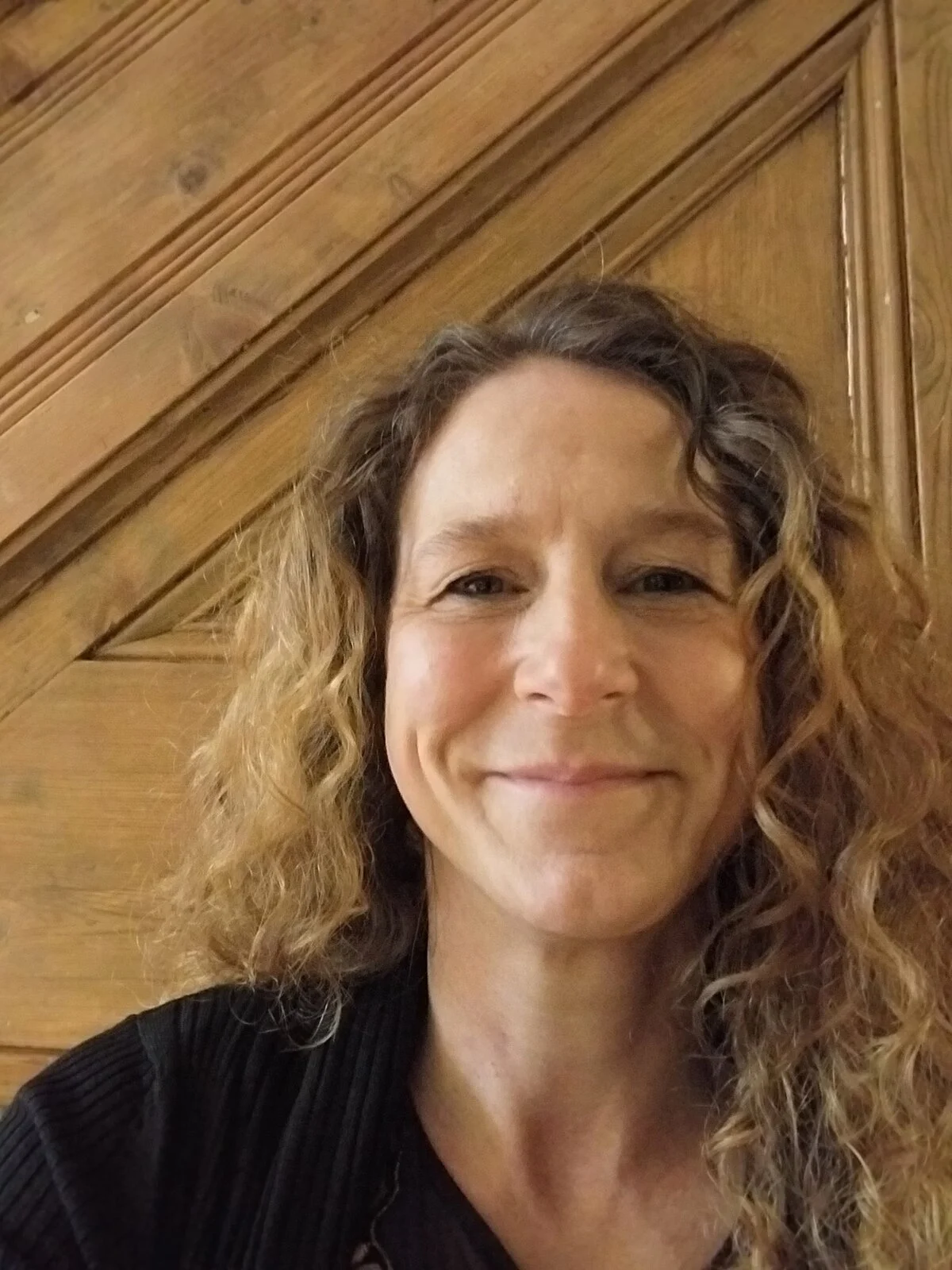
I’m Silke, a Clinical Psychologist in Barnsley, South Yorkshire, with over 26 years specialising in autism and learning differences. I hold HCPC and BPS registration and am trained in assessment tools including DISCO. My philosophy blends evidence-based methods with deep respect for individual perspective.
FAQs about the Autism Assessment
-
About 4 - 5 weeks in total — including pre-work, assessment sessions (6 - 8 hours) , and report preparation.
-
Most of it is. The in-person parts are central. Some preparatory or follow-up work may happen online, depending on context and need.
-
If you’re comfortable, someone close to you may provide observations (with your consent). But your own voice is primary — we always interpret results with your lived experience.
-
You will get the results within 2 - 3 weeks.
You will receive a draft report and request changes / corrections before the finalized report will be sent to you.
-
Many people revisit how they see their past and reshape parts of their life story. It can be a process of adjustment, self-compassion, and reinterpreting what has been challenging. We can support that journey via therapy, coaching, or referrals.
-
Autism is a neurodevelopmental condition and means the person has different preference and potential strengths and challenges in how they:
Communication and interact with others
Think and behave
Experience the world around them
Express emotions
Their relationships
Need for routine and predictability, sameness and structure
Sensory differences: - Over or under-sensitivity to sounds, lights, textures, tastes, or smells - May seek or avoid certain sensory experiences
Information processing: - Detail-focused thinking - May excel in remembering facts and patterns - Different ways of problem-solving - May need more time to process information.
Autism is not an illness or disease - it is a different way of experiencing and interacting with the world
Each autistic person is unique, with their own strengths and challenges
Early recognition and appropriate support can significantly enhance the quality of life
Many autistic individuals lead fulfilling lives and make valuable contributions to society.
-
ADHD, autism and learning disability are classed as a disability by UK law. If you are working you can apply for support from the government via access to work. You will still be the same person and it can give you opportunity to understand your life journey more fully and treat yourself with more compassionately.
-
I can help clients apply for PIP by carrying out an assessment of independent living skills which provides detailed information about their support needs.
-
Your psychologist does not have any specialised training in sensory assessments. We can refer you to a specialist we work with.
-
Undergoing assessment is a very individual decision and can have positives and negatives.
Positives:
Enables identification of specific strengths and challenges
Facilitates targeted intervention planning
Supports the development of appropriate support and educational strategies
Helps identify optimal learning environments
Provides documentation for workplace accommodations
Supports access to specialist interventions
Validate lived experiences
Enhances self-understanding
Reduces self-blame for difficulties
Provides a framework for understanding past experiences
Helps develop a positive neurodivergent identity
Supports family understanding and acceptance
Informs healthcare providers about communication needs
Supports the development of personalised coping strategies
Facilitates appropriate sensory accommodations in healthcare settings
Negatives:
Increased anxiety during the assessment process
Emotional distress from detailed examination of difficulties
Heightened self-consciousness about behaviours and interactions
Potential impact on self-identity and self-concept
Risk of internalising diagnostic labels
Strain on family relationships during assessment period
Possible stigmatisation following diagnosis
Changes in how others perceive and interact with the individual
Time-consuming assessment process
Multiple appointments causing disruption to routine
Financial implications if privately funded
Energy-demanding nature of assessment sessions
Risk of misdiagnosis if masking behaviours present and Potential overshadowing of co-existing conditions
Challenges in accessing appropriate post-diagnostic support
Difficulty processing and adjusting to diagnostic outcome
Note that these effects vary significantly between individuals, and many find the diagnostic process ultimately beneficial despite these challenges.
-
All diagnostic assessment need to rule in or out alternative explanations and will assess the person's mental health and development.
-
If you book for an autism and ADHD assessment together less time is needed as your developmental history only has to be reviewed once and hence a discount is applied. Please speak to your psychologist.
-
Yes. A responsible assessment looks at anxiety, mood, sleep, trauma, or other neurodevelopmental influences. It’s part of forming a detailed, nuanced picture. I also consider ADHD and Learning Disability.